

Introduction
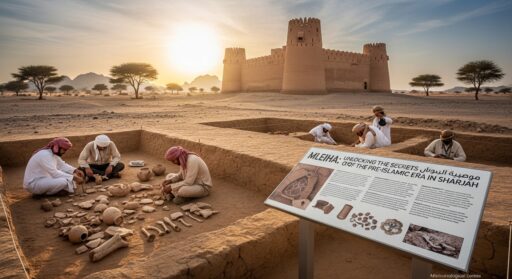
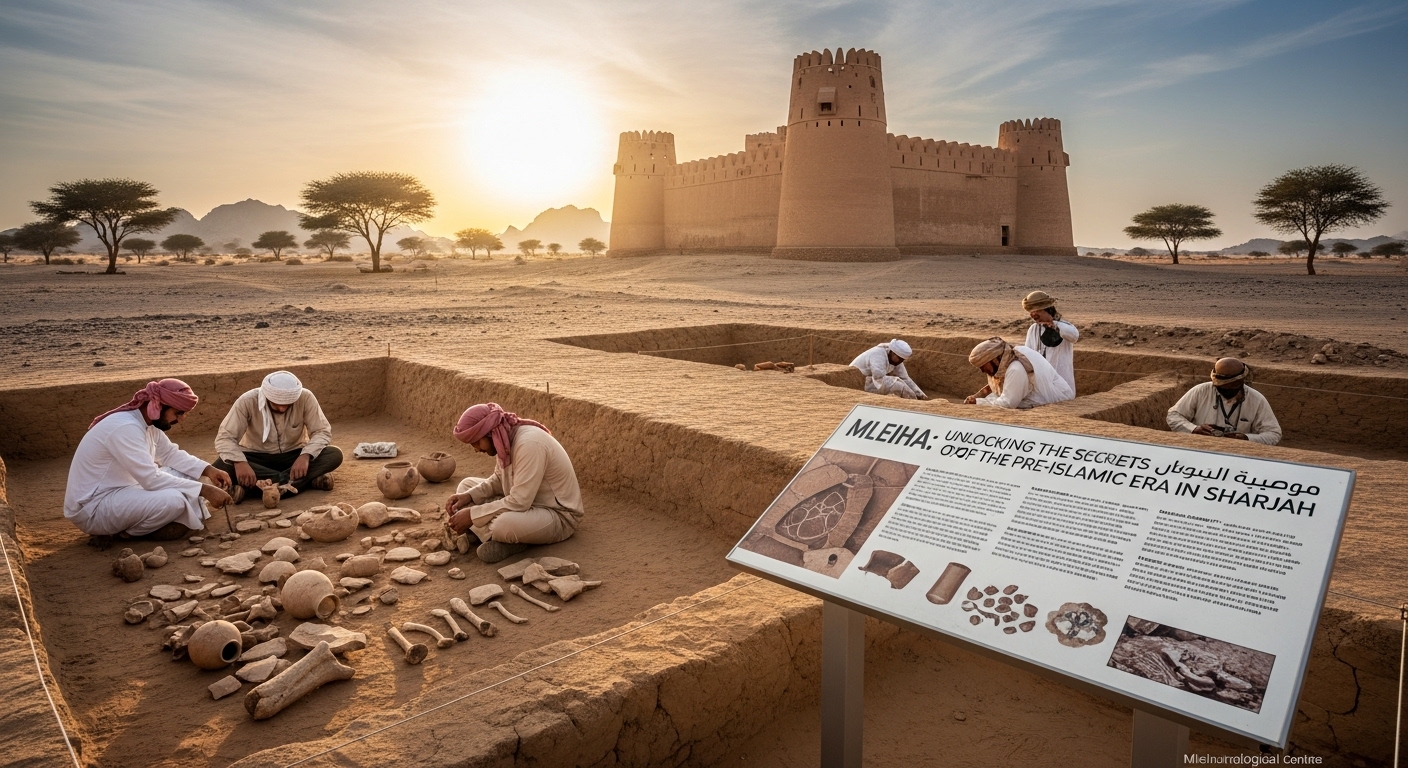
Nestled in the shadow of the Fossil Rock mountain in Sharjah, the archaeological site of Mleiha represents one of the most comprehensive and revealing windows into the pre-Islamic history of the UAE. Spanning from the Bronze Age to the dawn of Islam, Mleiha was a pivotal oasis, trade hub, and political center, whose excavated remains tell a compelling story of kingdoms, commerce, and cross-cultural exchange that flourished in the heart of the desert.
History
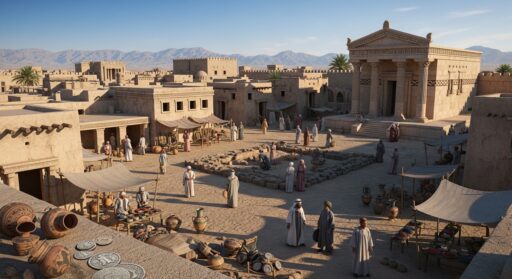
Mleiha’s prominence peaked during the Late Pre-Islamic period (from the 3rd century BCE to the 3rd century CE), a time often associated with the rise of regional powers like the Kingdom of Oman. Excavations, which began in the 1970s and intensified in recent decades, have uncovered evidence of continuous habitation for over two millennia. The site reveals a transition from a small agricultural settlement to a fortified urban center that minted its own coins and controlled vital trade routes, before eventually declining and being abandoned around 300 CE.
Key Features
The archaeological park at Mleiha showcases a wealth of structures and artifacts:
- The Mleiha Fort: A large, multi-period fortified building, likely a royal residence or administrative center, with evidence of sophisticated architecture.
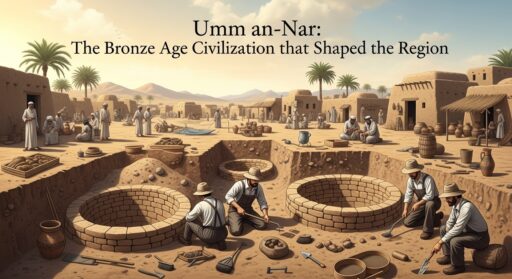
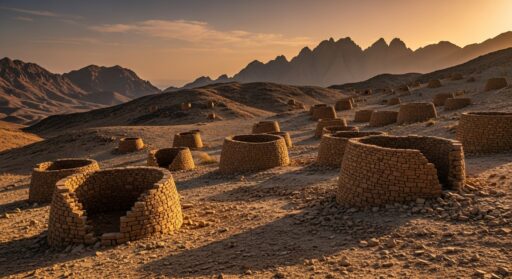
- Monumental Tombs: Including the spectacular Umm an-Nar period tomb and the unique “Mleiha Grand Tomb,” a circular, above-ground structure from the Pre-Islamic period that housed multiple burials and rich grave goods.
- Iron Age Smelting Sites: Evidence of early iron and copper smelting, indicating advanced metallurgy.
- Coinage: Mleiha is famous for producing some of the earliest locally minted coins in the UAE, bearing inscriptions and symbols that demonstrate Hellenistic and regional influences.
- Falaj System: The remains of a sophisticated underground irrigation system (aflaj) that sustained agriculture in this arid environment.
Cultural Significance
Mleiha’s significance lies in its role as a bridge between cultures and eras. It was a linchpin in the trade network connecting inner Arabia with the Gulf coast, facilitating the exchange of goods and ideas between the Mediterranean, Mesopotamia, South Asia, and the Arabian Peninsula. The discovery of a locally ruled political entity capable of minting coins challenges older narratives of the region as merely a periphery of greater empires. It reveals a dynamic, autonomous society with complex social structures, economic prowess, and a unique cultural identity.
Modern Relevance
Mleiha has been masterfully developed into a world-class archaeological and eco-tourism destination. The Mleiha Archaeological Centre offers immersive exhibits, and visitors can tour the actual excavation sites. This makes the ancient past accessible and engaging for the public, fostering a deep appreciation for the nation’s heritage. For scholars and the nation alike, Mleiha provides the critical “missing link” in the historical narrative, filling a gap between the early Bronze Age and the Islamic period and proving the existence of powerful, sophisticated indigenous civilizations.
Conclusion
Mleiha is more than an archaeological site; it is a revelation. It forces a re-evaluation of the UAE’s pre-Islamic history, revealing a chapter of urbanism, economic power, and political complexity that was previously only guessed at. By unlocking the secrets of Mleiha, we gain a profound understanding of the resilience and ingenuity of the people who thrived in this demanding landscape, building a legacy that continues to inform and inspire the modern identity of the United Arab Emirates.