

Introduction
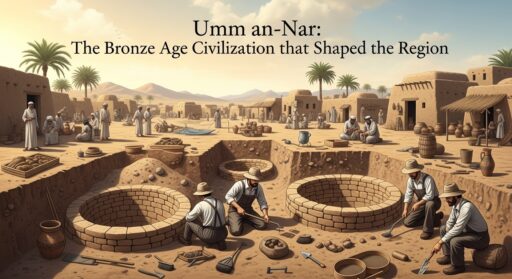
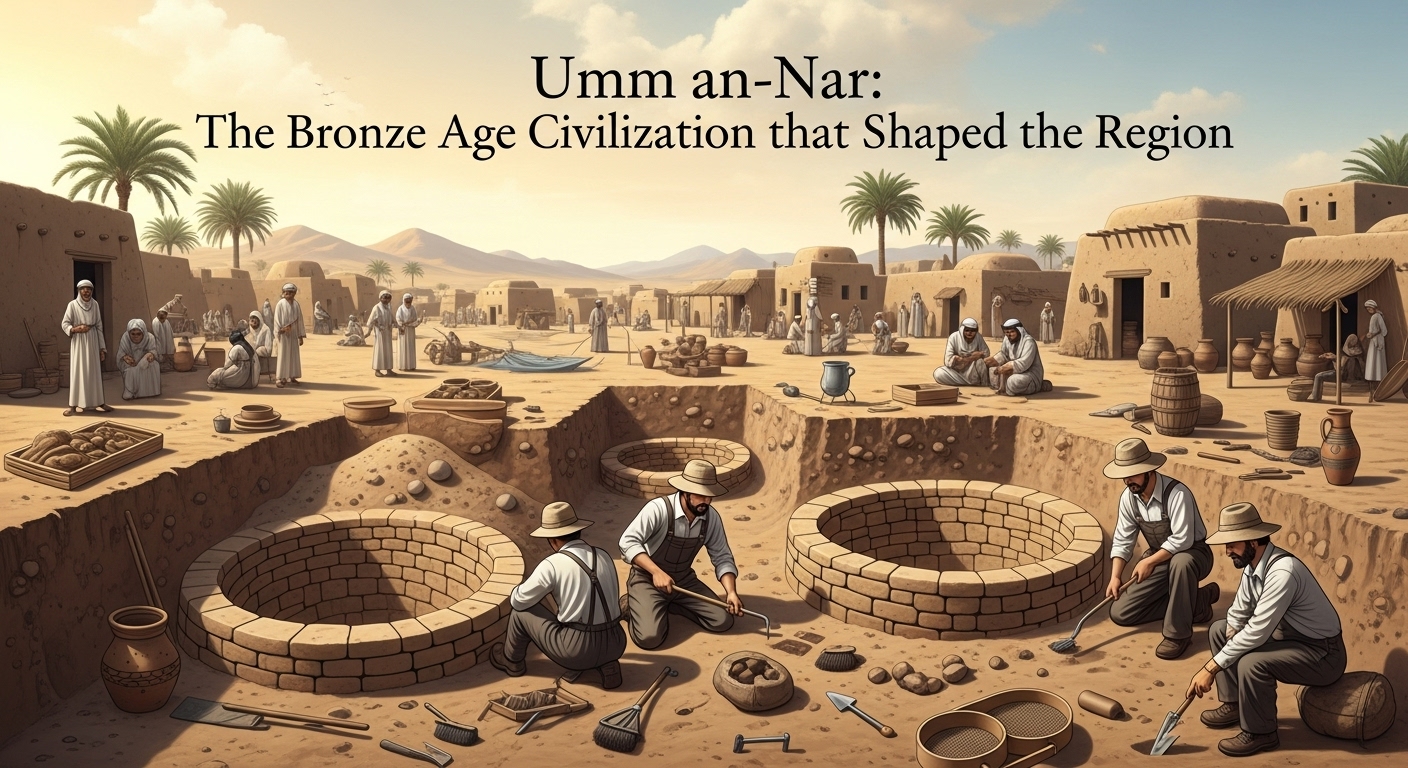
The discovery of the Umm an-Nar civilization stands as one of the most significant archaeological achievements in the UAE, revealing a sophisticated and prosperous society that thrived during the Bronze Age. Named after the island off the coast of Abu Dhabi where its remains were first excavated, this culture represents a pivotal chapter in the region’s history, demonstrating advanced social organization, trade networks, and technological innovation that laid the groundwork for future development.
History
The Umm an-Nar period dates from approximately 2600 to 2000 BCE, marking a dramatic transformation from earlier, simpler societies. Archaeological evidence indicates this was a time of unprecedented settlement and cultural fluorescence. The civilization was first identified in the 1950s and 1960s through excavations led by international teams, with work continuing to this day. These findings fundamentally altered the understanding of the region’s past, proving it was not an isolated backwater but an active participant in the complex interplay of early Bronze Age civilizations.
Key Features
Umm an-Nar sites are distinguished by several remarkable features:
- Circular Tombs: The most iconic structures are large, beautifully constructed collective burial tombs made of finely dressed stone. These could hold the remains of hundreds of individuals and were often reused for generations.
- Settlement Architecture: Evidence of substantial stone buildings, including complex multi-room structures, indicates a settled, urbanized society with sophisticated architectural planning.
- Subsistence Economy: The society practiced a mixed economy based on agriculture (supported by early falaj irrigation systems), animal domestication (cattle, sheep, goats), and, crucially, maritime trade.
- Material Culture: Artifacts include distinctive black-on-red decorated pottery, often imported from Mesopotamia and the Indus Valley, as well as intricately carved soft-stone vessels and copper tools produced locally.
Cultural Significance
The Umm an-Nar civilization is culturally significant as it represents the emergence of a distinct regional identity. The monumental tombs suggest a society with a complex belief system surrounding death and ancestor veneration, as well as the social organization required to construct such public works. Its extensive trade links—evidenced by Mesopotamian pottery and Indus Valley seals—place the UAE firmly within the orbit of the world’s first great civilizations, acting as a crucial hub in the trade of copper, pearls, and other precious goods.
Modern Relevance
The legacy of Umm an-Nar is profoundly relevant to the modern UAE. It provides a deep historical narrative that predates the oil economy by millennia, offering a sense of historical depth and national identity. Key sites, such as the one on Umm an-Nar Island itself and at Hili Archaeological Park in Al Ain, are protected and presented to the public as UNESCO World Heritage sites. They serve as powerful educational tools and tourist attractions, connecting citizens and visitors alike to the ancient roots of Emirati civilization and showcasing the region’s long-standing role as a global trading partner.
Conclusion
The unearthing of the Umm an-Nar civilization has irrevocably enriched the historical narrative of the United Arab Emirates. It reveals a period of remarkable achievement and connectivity, demonstrating that the entrepreneurial and cosmopolitan spirit of the modern UAE has very ancient antecedents. As one of the foundational pillars of the nation’s heritage, Umm an-Nar continues to inspire awe and pride, a testament to the sophistication and resilience of the people who shaped this land over 4,000 years ago.